
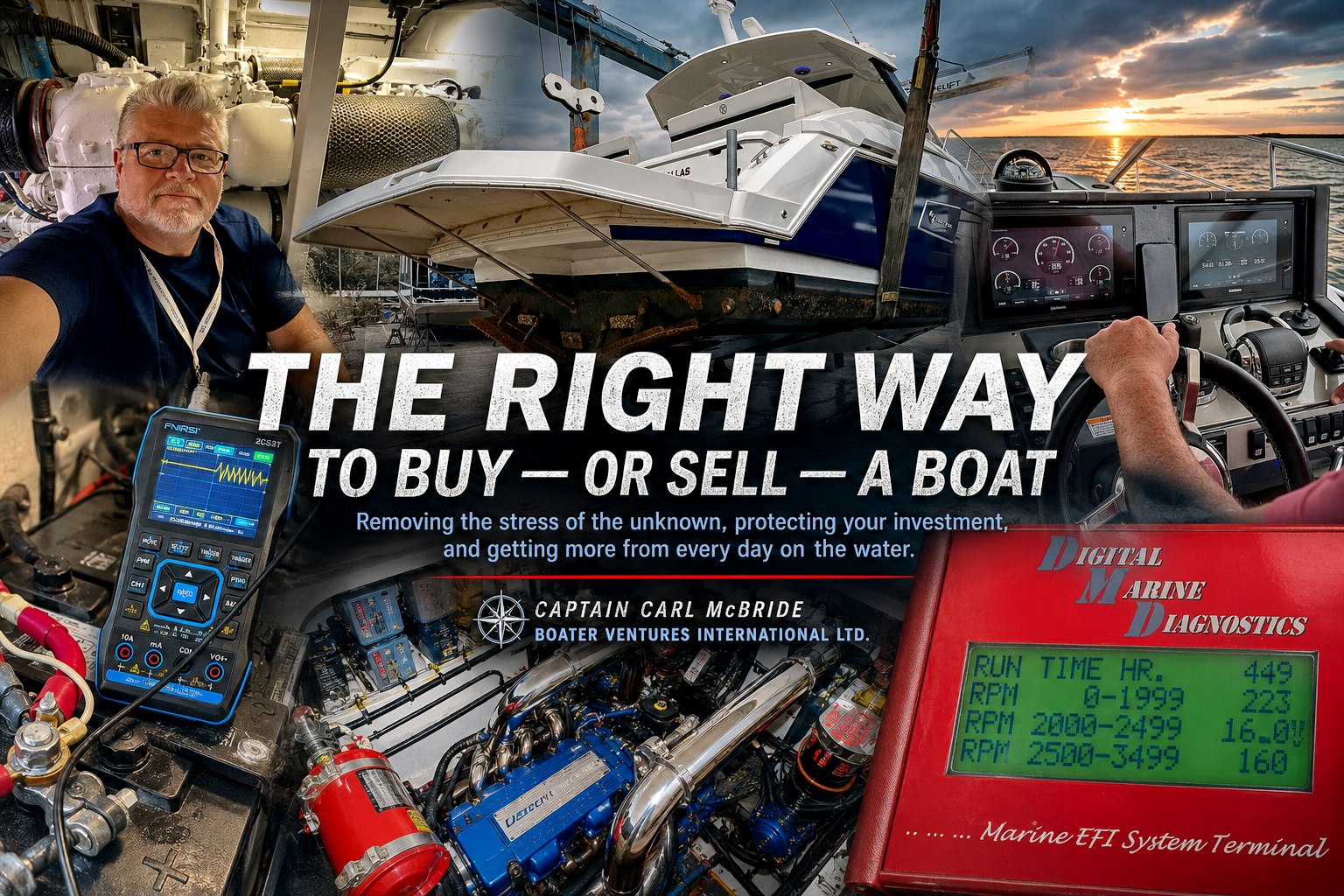
Buying a boat should be one of the great pleasures of life. So should selling one. Yet for most people, both land somewhere between exciting and nerve-wracking — because a boat is a major decision made largely on someone else's word, in a market where nearly everyone at the table is working for the other side.
The stress doesn't come from the boat. It comes from the unknown. Remove the unknown, and buying or selling becomes what it should be: the doorway to your next chapter on the water.
That is the entire job of a buyer's agent and technical advisor — to sweat the details so you don't have to.
Start with the life, not the listing
The most expensive mistakes in boating happen before anyone looks at a single boat. They happen when a buyer falls for a hull before defining what they actually need.
Before you shop, get honest about four things.
What kind of boating do you really do? Cruising and overnighting, fishing, watersports with the family, entertaining at the dock, chasing performance, or living aboard — each points to a completely different platform. The boat that's perfect for weekend sandbar gatherings is the wrong boat for offshore canyon runs, and neither is the boat for a long cruise.
Where will you run her? Region drives everything. The Great Lakes, the Gulf Coast, the Florida Keys, and the Bahamas each demand different things from a hull — draft, range, fuel capacity, sea-keeping, cooling, corrosion protection, and systems all shift with the water you run. A boat optimized for skinny Keys backwaters is not the boat for a Great Lakes fall crossing.
How often will you use her? Frequency is the number nobody wants to say out loud, but it drives the entire cost-of-ownership math. A boat used twenty weekends a year justifies systems and upkeep a boat used four times a year never will. Be truthful here and you'll buy the right amount of boat.
What's the real budget? Not just the purchase price — the true cost of ownership: moorage, insurance, fuel, haul-outs, maintenance, and the refit the boat will inevitably want. The sticker is the smallest number in the equation.
Define those four honestly and the field narrows itself. Skip them, and you'll spend money surveying boats you were never going to be happy with.
Selling? Prep before you post.
The same discipline applies in reverse. A boat that's prepped, documented, and honestly presented sells faster and for more — and survives the buyer's survey without the last-minute surprises that kill deals or gut the price.
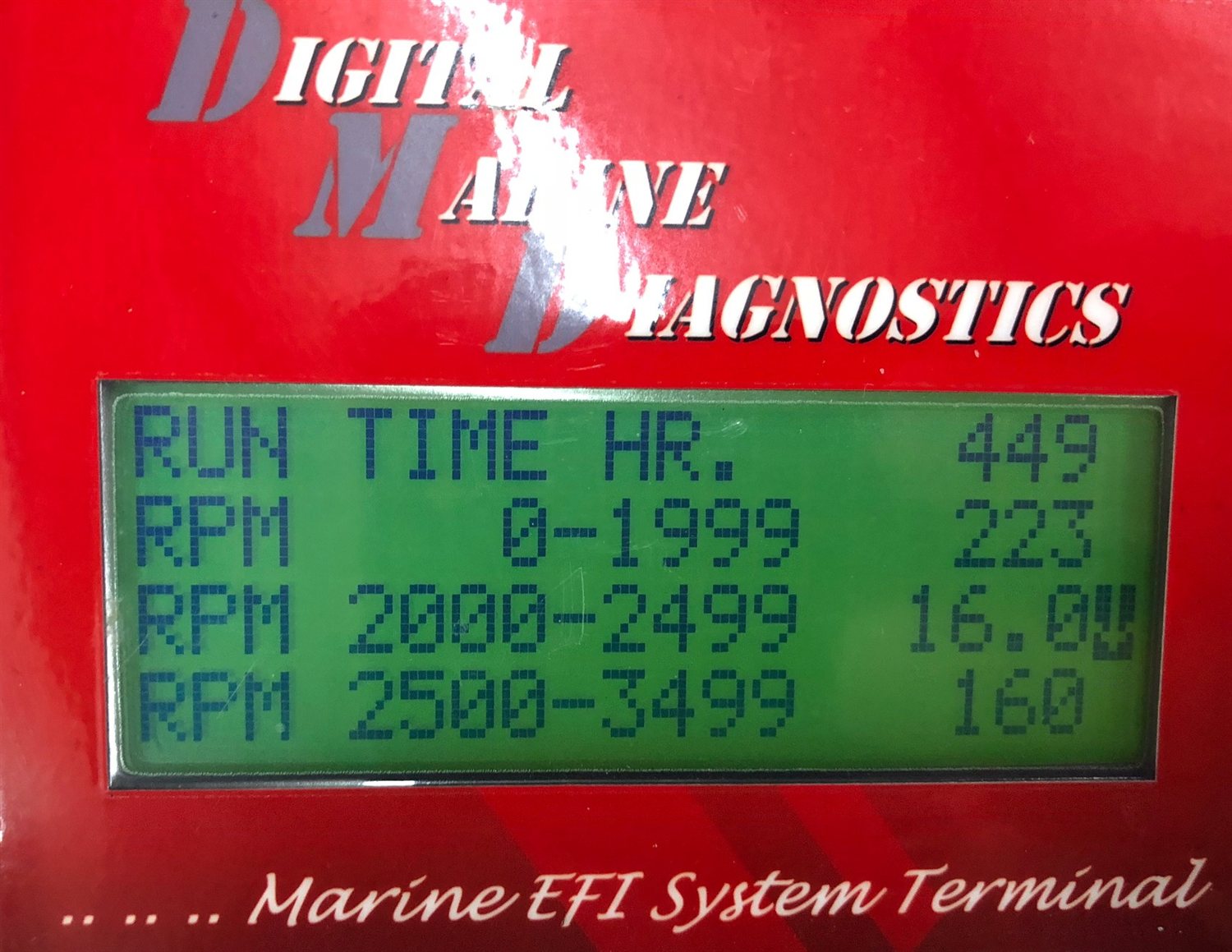
Before you list, a technical advisor helps you see your boat the way a buyer's surveyor will: address the known issues, service the systems, assemble the maintenance records, and set a price grounded in real condition and real market — not hope. The goal is a boat that shows well and inspects well, so the deal closes on the terms you agreed to, not the terms a survey renegotiates on the hard.
A buyer's agent is not a surveyor — and you want both roles on your side
Here is a distinction that saves people real money and grief.
Most marine brokers represent the seller or the listing. Their job, honestly done, is to sell the boat at the best price for their client — who is not you.
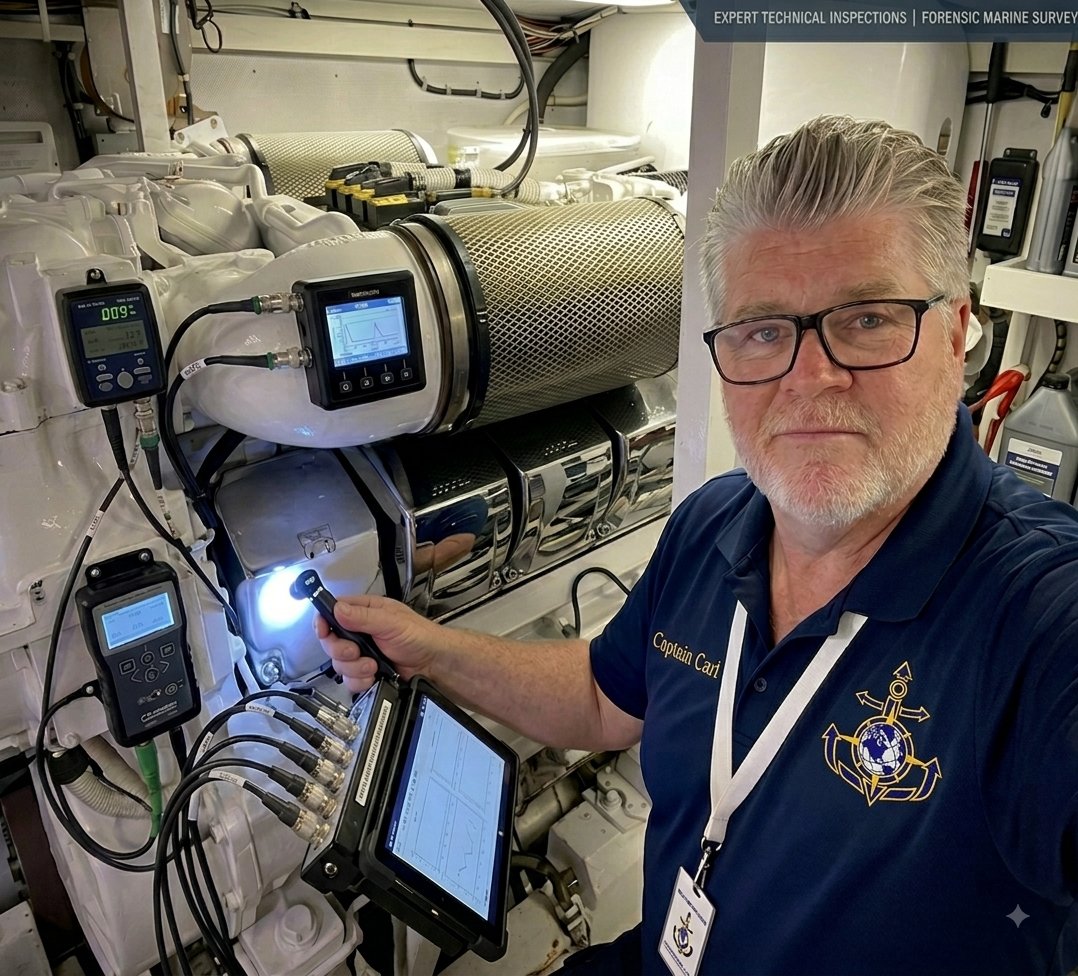
A buyer's agent works exclusively for you, across the entire transaction: defining your requirements, hunting the market, screening candidates, running the technical triage, representing you through survey and sea trial, and negotiating the real conditions of the deal. It is advocacy, start to finish.
A surveyor produces a report — a professional snapshot of a boat's condition and value at a single moment in time. It is essential, but it is a document, not an advocate. A surveyor tells you what a boat is. A buyer's agent makes sure the boat you're surveying is the right boat, at the right price, on the right terms — and that you never spend survey money on a boat that was never going to work.
The best outcome is both roles working for you. And when your advisor is also a career technical hand, the two reinforce each other.
Know which survey you need — and in what order
Not all “surveys” are the same, and confusing them is expensive.
A finance or insurance valuation survey exists to protect the lender and the insurer. It confirms the boat is worth what's being financed and is insurable — value and risk, from their point of view. It's a requirement of the deal, not a deep look at whether the boat is right for you.
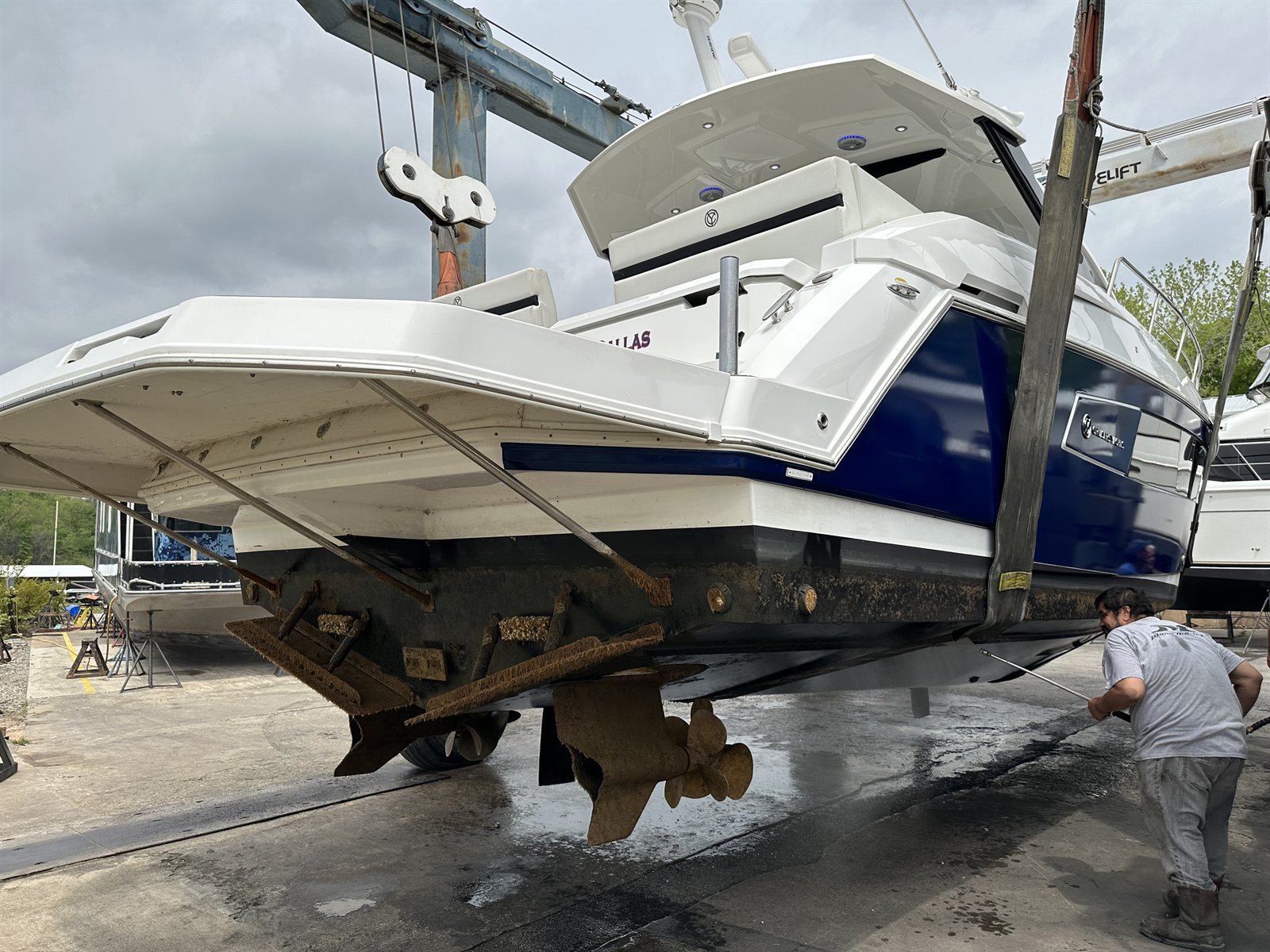
A pre-purchase condition survey — the full hull, mechanical, moisture, and systems inspection, usually with a haul-out and a sea trial — is the deep one. It's thorough, and by the time you add the yard's haul-out fee, the mechanical survey, and the sea trial, it's expensive.
And here is where most buyers get the order wrong. They fall for a boat, commission the full survey and haul-out, and then discover the boat doesn't actually fit their requirements — or that the condition, refit, and restoration will blow past their timeline and budget. Now they've spent thousands to learn what a trained eye could have told them on day one.
The smart sequence is a pre-purchase inspection first — a technical triage by your advisor before you spend a dollar on the formal survey or the haul-out. In a focused walkthrough, an experienced hand can tell you the things that actually decide the outcome: Does this boat truly meet your requirements? Are there structural, moisture, or powertrain red flags? Is the refit this boat needs realistic on your timeline and budget — or a money pit dressed up in fresh gelcoat? Only when a boat passes that triage do you commit to the expensive survey, on a candidate that has already earned it.
That single step — inspect before you survey — is one of the highest-return moves in all of boat buying. It turns the costly formal survey into confirmation, not a gamble.
The purchase is the beginning, not the end
The right boat, bought right, is the start of the relationship — and the lifecycle is where the enjoyment, and the value, is either protected or lost.
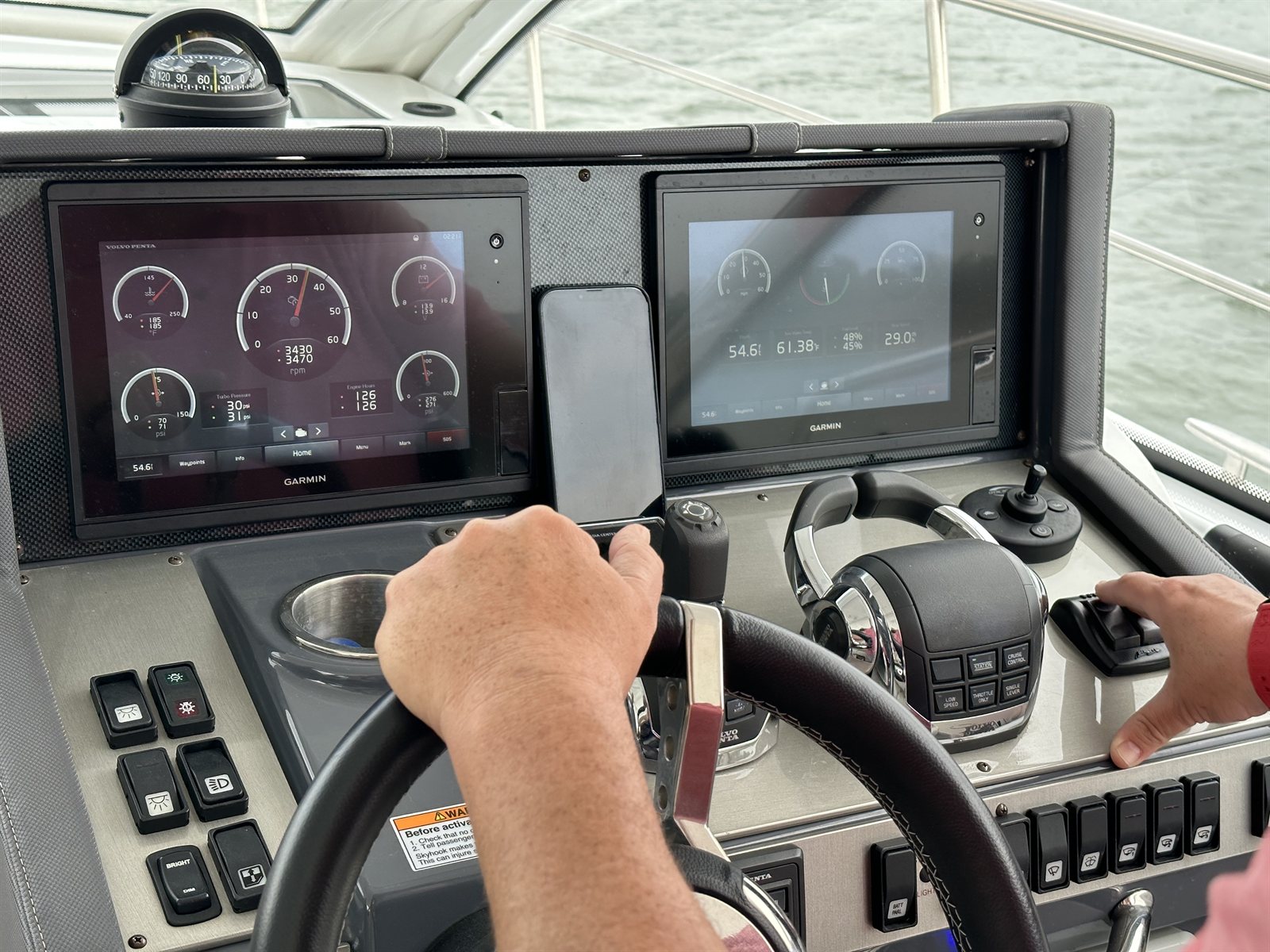
Professional delivery. Getting your new boat home safely — across the Great Lakes, the Gulf Coast, or the Atlantic — under the command of an experienced licensed captain is not the place to learn on the job. A proper delivery protects the boat, the crew, and your first memory of ownership.
Boat-handling instruction. Confidence at the helm is the difference between a boat you love and a boat that sits at the dock. Personalized, on-water instruction — docking, close-quarters, heavy weather, systems — turns a nervous new owner into a capable skipper.
Preventative maintenance. The cheapest repair is the one you never need. A tailored preventative schedule protects reliability, safety, and resale value — and keeps small issues from becoming the failure that strands you or sinks a claim.
Safety and navigation. Competence is the foundation of enjoyment. Sound seamanship, current navigation practice, and a well-found boat are what let you relax — because you know you and your crew are ready for the day the water tests you.
When something's wrong — or a claim needs the truth
Sometimes the job isn't buying or selling. It's finding out what actually happened.
Technical advisory and forensic surveying is diagnosis for boats. When a hull cracks that shouldn't have, a system fails, a warranty is denied, or an insurance claim doesn't add up, someone has to determine the real root cause — and document it in a way that holds up. That's forensic work: assess the damage, isolate the true cause, and produce clear, defensible reporting — photographic, video, and drone-based evidence — that validates the claim and settles the question.
It's forensics as medicine, not paperwork. The goal isn't a stack of pages; it's the truth, documented well enough to act on.
Boating done right: the part that isn't on the invoice
None of this is really about boats. It's about the life the boat makes possible — and the best of that life comes from doing it well.
The most rewarding boaters I've known are the ones who never stop learning: seamanship, weather, navigation, their own vessel's systems. Education and awareness don't just keep you safe — they multiply the pleasure, because a skipper who understands the water reads more into every day on it.
And that competence comes with responsibility. The water we love is a shared resource, and a fragile one. Running clean, honoring no-wake zones and wildlife, managing waste, protecting the fisheries and the shoreline, and looking out for other boaters — this is what separates a boater from a good boater. The finest days on the water are the ones you can be proud of long after you're back at the dock.
The right way, in one sentence
Buy and sell with an expert who works only for you — someone who defines the requirement before the hunt, triages before you spend, protects you through survey and delivery, and stays in your corner for the life of the boat. Remove the unknown, and what's left is the reason you wanted a boat in the first place.
That's the whole idea behind Boater Ventures International: sweat the details so you don't have to — and get you back to enjoying the water.
High Tech. High Touch. High Performance.
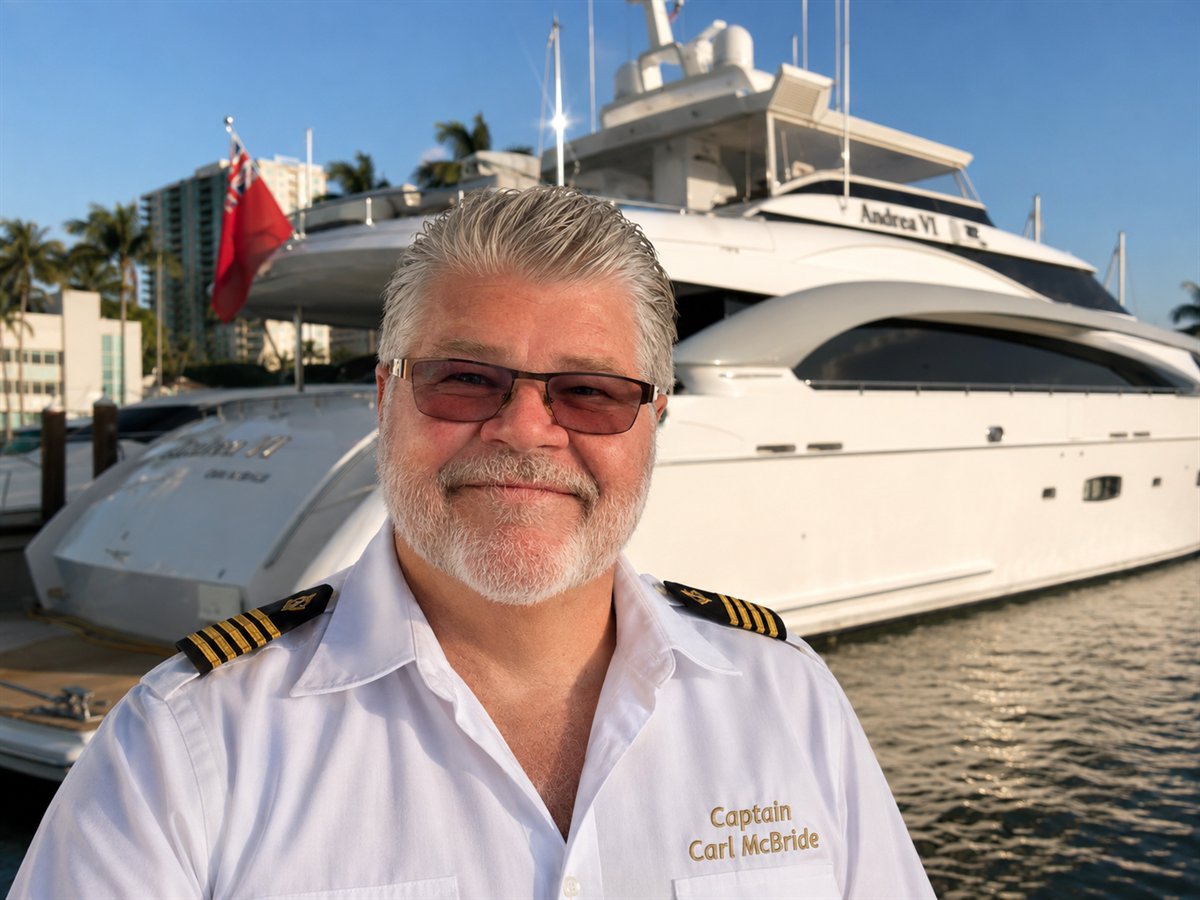
Captain Carl McBride is a USCG Master (100 GT), forensic marine surveyor, and principal technical advisor at Boater Ventures International Ltd. Considering a purchase, upgrade, or refit? Put an expert who works only for you on your side of the table — before you commit.